Balancing Privacy and Natural Light in Luxury Interiors
In luxury residential design, achieving an elegant balance between privacy and natural light is a nuanced challenge, especially when it comes to interior doors. These architectural elements play a key role in spatial transitions, defining boundaries while potentially enhancing the flow of light. Selecting the right luxury interior doors involves careful consideration of materials, finishes, door types, and hardware to ensure a harmonious balance that enhances both function and aesthetics.
Understanding the Design Challenges
Privacy and natural light often present competing priorities in interior architecture. Homeowners and designers must grapple with questions such as:
- How can doors provide acoustic and visual privacy without compromising daylight?
- What materials and finishes best support this dual goal?
- How does door scale and proportion affect perceived openness and enclosure?
Addressing these questions requires an integrated architectural approach, considering not just the door itself but its relationship to adjacent walls, lighting, and spatial layout.
Material Choices to Enhance Privacy and Light
Opaque vs. Translucent Surfaces
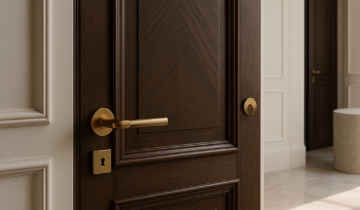
Solid wood doors—such as walnut or oak veneers—are traditional choices to secure visual and acoustic privacy. Their dense surfaces effectively block light and sound, making them ideal for bedrooms, home offices, or media rooms. However, they can limit natural light penetration.
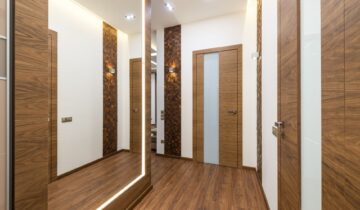
Alternatively, translucent materials—frosted or textured glass panels—allow for softened daylight diffusion, maintaining brightness while obscuring direct visibility. Laminated glass variants with privacy films or sandblasted finishes provide additional design flexibility.
Hybrid Constructions
Modern architectural door systems incorporate hybrid materials combining wood frames with integrated glass inserts. DAYORIS, a leading partner in premium door solutions, offers custom interior door applications that blend these elements seamlessly, enhancing spatial continuity while respecting privacy needs. These systems permit tailored configurations that respond precisely to client priorities.
Door Types and Their Impact on Privacy and Light
Pivot and Swing Doors
Classic pivot and swing doors provide firm boundaries, useful for areas demanding strong privacy and sound isolation. When sized floor-to-ceiling, they create imposing architectural statements that also minimize light transfer if fully solid.
Sliding and Pocket Doors
Sliding door systems save space and can incorporate translucent panels, supporting light flow while partially isolating rooms. Pocket doors, recessed into walls, offer flexible usage but require detailed architectural integration to avoid light leaks and acoustic compromise.
Concealed and Flush Doors
Hidden doors that blend with wall paneling maintain visual continuity and simple, minimalist interiors. While primarily solid, some flush door designs incorporate slender glass detail strips or sidelights for daylighting, balancing aesthetic purity with practical lighting.
Finishes and Hardware Considerations
Door finishes contribute substantially to both privacy and light behavior. Matte or semi-matte lacquers reduce reflective glare and help mask fingerprints and smudges, adding to the door’s visual calmness. Wood veneers add warmth and texture, enhancing a room’s material richness.
Architectural hardware —including handles, hinges, and locking mechanisms—should be proportioned to door scale and style. Minimalist metal accents in bronze or brushed nickel enhance tactile and visual quality without detracting from privacy or lighting goals.
Architectural Integration and Spatial Perception
Well-designed luxury interior doors harmonize with their surrounding architectural elements. Proper door proportion relative to ceiling height, wall dimensions, and adjacent finishes contributes to balanced spatial perception. Oversized doors or floor-to-ceiling formats can visually open interiors, while appropriately scaled doors help demarcate private zones effectively.
Lighting strategies complement doors. For instance, sidelights or transoms incorporated with doors amplify natural daylight without sacrificing privacy when glazed with translucent or treated glass options.
Practical Recommendations
- Evaluate Privacy Needs: Determine the level of acoustic and visual privacy required for each space before selecting door materials and styles.
- Consider Light Flow: Balance opaque and translucent material use to optimize daylight without compromising comfort.
- Choose Appropriate Door Types: Select pivot, sliding, flush, or concealed doors based on room function, architectural style, and circulation patterns.
- Integrate Architectural Details: Think beyond the door itself—coordinate finishes, hardware, and surrounding wall treatments to achieve seamless design integration.
- Consult Experts: Engage with door system specialists like DAYORIS to explore tailored solutions that meet both aesthetic and functional demands.
Conclusion
Balancing privacy and natural light through luxury interior door design is a complex yet rewarding architectural challenge. By thoughtfully selecting materials, door types, finishes, and hardware—while integrating them with the larger interior architecture—designers can craft refined spaces that feel both intimate and open.
For those seeking customized and contemporary interior door solutions that address these demands elegantly, exploring custom interior door applications by DAYORIS offers an invaluable resource. Their expertise in modern architectural door systems equips projects with precision-engineered craftsmanship and sophisticated materials tailored to luxury environments.
Discover more design inspiration and insights on LuxuryInteriorDoors.com’s blog and browse our premium catalog for a broader perspective on contemporary luxury door design.