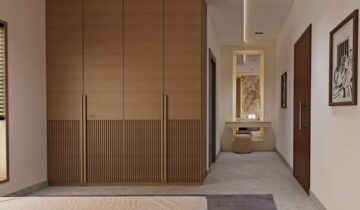
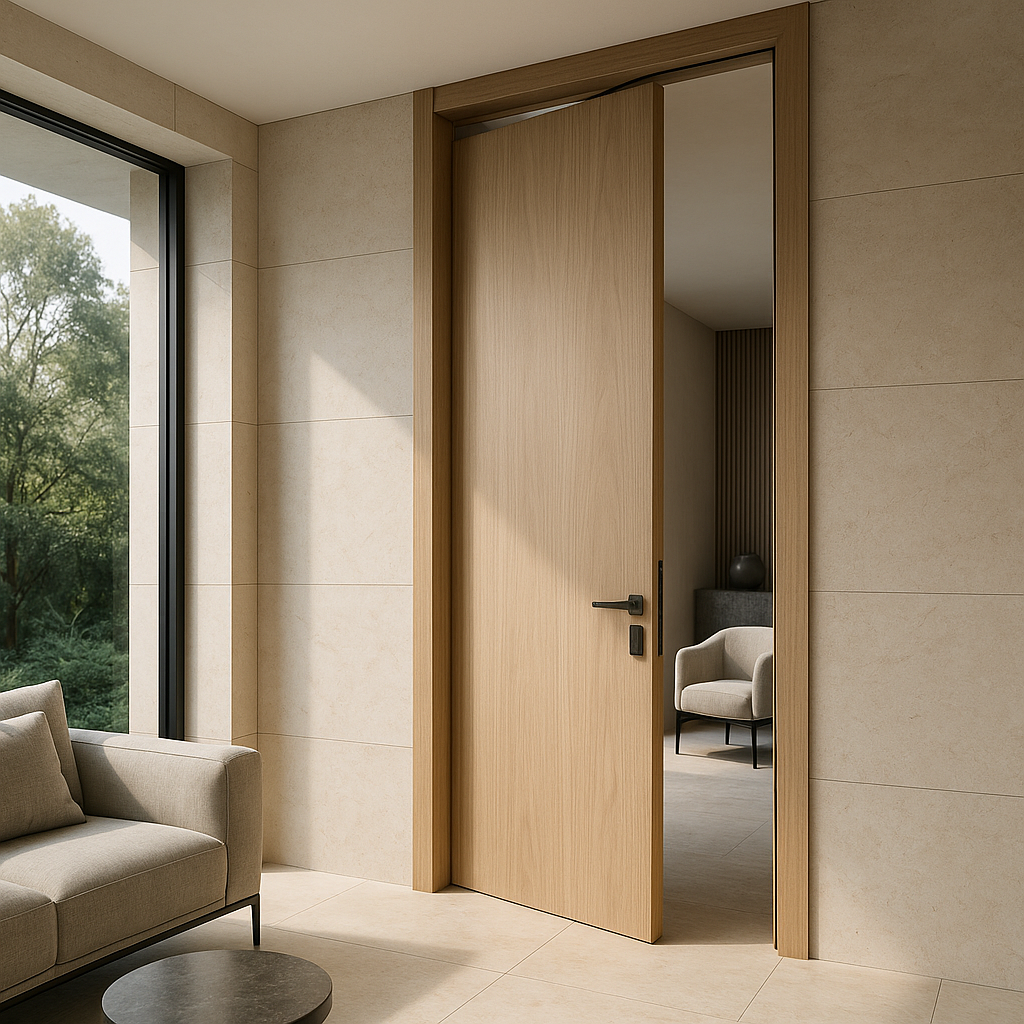
In contemporary residential design, luxury interior doors transcend their traditional functional role to become pivotal architectural elements that shape the experience of space. Thoughtfully designed doors do more than separate rooms; they mold how inhabitants move, perceive, and connect with their interiors. This article explores how to design luxury interior doors that promote seamless spatial transitions, emphasizing architectural proportions, material selection, and innovative door systems.
The Role of Interior Doors in Spatial Continuity
Interior doors act as thresholds and visual anchors that regulate transitions between distinct spatial domains. In luxury and contemporary homes, these boundaries are often softened or redefined to enhance flow. Achieving visual continuity involves aligning door size, style, and finish with adjacent walls, floors, and ceilings to create a cohesive narrative throughout living spaces.
Proportions and Scale Matter
Correct door proportions are essential for maintaining spatial harmony. Oversized or undersized doors can disrupt the rhythm and balance of an interior. For example, floor-to-ceiling doors installed with precision foster an elongated sense of height and grandeur, seamlessly connecting rooms vertically and spatially.
- Consider door width in relation to ceiling height and wall expanses.
- Custom heights often suit luxury interiors better than standard dimensions, but should relate proportionally to architecture.
- Maintaining consistency in door style and proportion across rooms helps unify the interior scheme.
Materiality and Finish: Enhancing Architectural Integration
Material selection and finish play a decisive role in how a door integrates or contrasts within an interior. Luxury doors often feature premium veneers like walnut or oak, lacquered surfaces, or metal accents such as bronze or brushed stainless steel hardware.
Visual and Textural Harmony
For seamless transitions, finishes should either complement or deliberately contrast with surrounding surfaces to create a meaningful dialogue. For example, a flush lacquer door concealed within a wall painted in a matching warm neutral tone can create uninterrupted visual flow, while a wood veneer door with subtle grain highlights adds texture and warmth to minimalist interiors.
Surface Detail Considerations
- Flush doors: These doors align with wall surfaces to disappear visually, enhancing minimalist aesthetics.
- Frameless systems: Offer clean lines without visible trims, ideal for contemporary architecture.
- Architectural hardware: Select hardware that aligns with the door’s finish and contributes to spatial rhythm—concealed hinges and slim handles avoid visual clutter.
Selecting the Right Door Systems for Flow and Movement
Beyond appearance, the choice of door mechanisms influences movement and spatial usability. High-end door systems can support various configurations to maximize fluidity.
Pivot, Sliding, and Pocket Doors
Pivot doors create a dramatic entry experience with large panels that rotate around a central axis, allowing for generous clearances that enhance flow. Sliding doors save space and facilitate smooth transitions between rooms without interrupting circulation, especially valuable in narrow corridors or compact interiors. Pocket doors fully recess into walls, offering an unobstructed opening ideal for flexible living arrangements.
DAYORIS Modern Door Systems
As a featured partner on LuxuryInteriorDoors.com, DAYORIS offers modern architectural door systems made-to-measure, blending materials, finishes, and hardware seamlessly. Their solutions emphasize precise fitting and architectural integration, perfectly suited to luxury interiors where spatial transitions need to be both functional and elegant.
Avoiding Common Mistakes in Spatial Door Design
Some frequent pitfalls disrupt the desired flow and aesthetic of luxury interiors:
- Ignoring door scale: Choosing doors that do not correspond to room dimensions or ceiling heights can diminish spatial harmony.
- Mismatch of finishes: Doors that clash with wall textures or flooring create visual tension and break continuity.
- Inappropriate hardware: Bulky or ornate handles interrupt the minimalist rhythm often sought in contemporary homes.
- Poor spatial planning: Door swing conflicts or insufficient clearance impede natural circulation.
Conclusion: Crafting Spatial Harmony with Luxury Interior Doors
Luxury interior doors designed with sensitivity to proportions, materiality, and door systems do more than separate; they connect. Such doors enable seamless spatial transitions that elevate contemporary residences by harmonizing form and function. Incorporating premium materials, refined finishes, and advanced door mechanisms creates interior environments defined by continuity, sophistication, and fluid movement.
For architects, designers, and homeowners aiming to refine spatial flow, exploring tailored custom interior door applications from DAYORIS is a compelling step towards architectural coherence and elegance.
Discover additional inspirations and technical insights on door proportions and finishes by visiting our LuxuryInteriorDoors.com blog or browse our curated catalog of premium architectural doors.